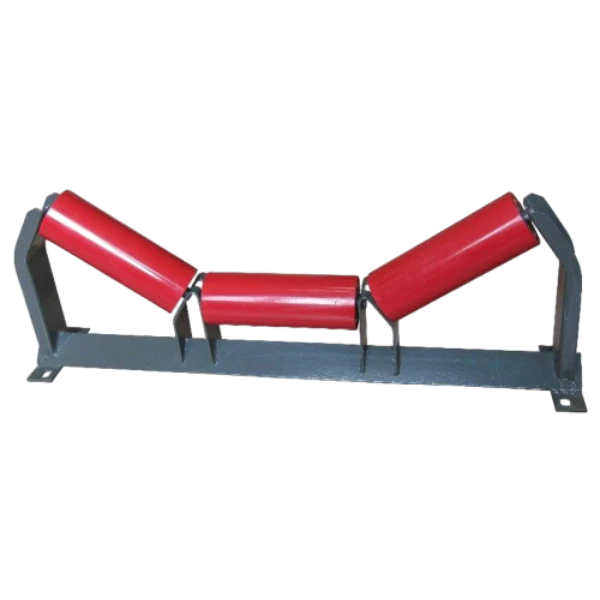
Introduction to Conveyor Belt Rollers in Industrial Systems In the intricate architecture of modern material handling systems, conveyor belt rollers are indispensable components. These seemingly simple elements play a critical role in ensuring the smooth, efficient, and reliable operation of conveyor belts across a myriad of industries. From supporting the belt's weight to guiding its movement and absorbing impact, the performance of these rollers directly influences the overall productivity, energy consumption, and maintenance requirements of an entire conveyor system. As the backbone of automated transport, their design, material composition, and manufacturing precision are paramount for achieving operational excellence in demanding environments. The demand for robust and long-lasting conveyor system components has intensified with the increasing globalization of manufacturing and logistics. Industries now seek solutions that offer not only superior operational efficiency but also reduced total cost of ownership (TCO) through extended service life and minimal downtime. This article delves into the critical aspects of modern conveyor belt rollers , covering their manufacturing processes, technical specifications, diverse applications, and the competitive landscape of solutions available today. Industry Trends and Innovations in Conveyor Roller Technology The industrial landscape for material handling is continually evolving, driven by demands for greater automation, sustainability, and operational intelligence. Key trends influencing the development and adoption of conveyor belt rollers include: Enhanced Energy Efficiency: A significant push towards reducing power consumption has led to the development of low-friction rollers. These designs incorporate advanced bearing technologies and improved sealing mechanisms to minimize rotational resistance, thereby decreasing the energy required to operate the conveyor belt. Smart Monitoring and Predictive Maintenance: Integration of sensors (e.g., vibration, temperature, acoustic) into rollers allows for real-time condition monitoring. This enables predictive maintenance, preventing costly unplanned downtimes and optimizing replacement schedules. Advanced Materials and Coatings: The use of high-strength composites, specialized polymers, and advanced surface coatings (e.g., ceramic, polyurethane) is becoming more prevalent. These materials offer superior wear resistance, corrosion protection, and lighter weight, extending roller life and reducing structural load. Sustainability and Recyclability: Manufacturers are increasingly focusing on the lifecycle impact of their products, developing rollers made from recyclable materials and designing for easier component replacement to minimize waste. Modular Design: The adoption of modular roller systems simplifies installation, maintenance, and replacement processes, offering greater flexibility and reducing labor costs for end-users. These trends collectively aim to deliver more reliable, cost-effective, and environmentally responsible material handling solutions that meet the rigorous demands of modern industrial operations. Manufacturing Process of Conveyor Belt Rollers The production of high-quality conveyor belt rollers is a multi-stage process, demanding precision engineering and rigorous quality control. The typical process flow ensures that each roller meets stringent performance and durability standards. Schematic Process Steps: Material Selection and Preparation: Shell Material: Typically high-grade steel (e.g., seamless carbon steel pipe ST52, ASTM A53 Grade B) for robustness, or HDPE/UHMW-PE for lightweight, corrosion-resistant, and non-stick applications, especially in `food conveyor belt` systems. Shaft Material: Cold-drawn round steel bars (e.g., C45, 1045 steel) known for high tensile strength and straightness. Bearings: High-precision deep groove ball bearings (e.g., 6204, 6305 series), often sealed for life. Seals: Multi-labyrinth seals, often with additional rubber lip seals, to prevent ingress of dust, moisture, and contaminants. Shaft Machining: The raw steel bar undergoes cutting, turning, and CNC machining to achieve precise dimensions, surface finish, and prepare for bearing seats and circlip grooves. Tolerances are critical to ensure proper bearing fit and concentricity. Shell Fabrication: Steel pipes are cut to length, deburred, and their ends are precisely machined (e.g., chamfered) to facilitate welding and ensure a smooth surface for the conveyor belt. Bearing Housing and End Cap Manufacturing: End caps and bearing housings are typically stamped from steel sheet or injection-molded for plastic rollers, then precision-machined to accommodate bearings and seals. Assembly and Welding: Bearings, seals, and bearing housings are assembled onto the shaft. The assembled shaft with housings is then inserted into the shell, and the end caps are precisely welded to the shell. Robotic welding ensures consistent quality and minimizes distortion. Surface Treatment: Depending on the application, rollers may undergo surface treatments such as powder coating, galvanization, or rubber lagging for enhanced corrosion resistance, abrasion resistance, or improved belt grip. Quality Control and Testing: Dynamic Balancing: To minimize vibration and extend bearing life, rollers are dynamically balanced. Run-out Testing: Radial and axial run-out are measured to ensure concentricity and smooth operation. Rotational Resistance: Tested to meet specific energy efficiency standards (e.g., DIN 22106, ISO 15371). Typical values for low-resistance rollers are less than 0.2 N for CEMA E rollers. Seal Effectiveness: Tested against dust and moisture ingress, often conforming to IP65 or higher. Material Hardness and Weld Integrity: Non-destructive testing methods are often employed. This meticulous process ensures that the finished conveyor belt rollers are durable, reliable, and capable of delivering extended service life, typically ranging from 30,000 to 50,000 hours in normal operating conditions for high-quality units, depending on load and environment. Target industries include petrochemical, metallurgy, mining, power generation, port logistics, water supply & drainage, and a broad spectrum of heavy manufacturing. The inherent advantages in these scenarios include energy saving through reduced friction, superior corrosion resistance due to material selection and coatings, and enhanced operational safety. Technical Specifications of High-Performance Conveyor Belt Rollers Understanding the technical specifications of conveyor belt rollers is crucial for selecting the appropriate component for a specific application. Key parameters dictate performance, durability, and compatibility within a conveyor system. Typical Product Specification Table Parameter Description / Value Range Standard / Remarks Roller Diameter 60 mm - 219 mm (2.36 in - 8.62 in) Custom sizes available Roller Length 190 mm - 3500 mm (7.5 in - 137.8 in) Matches belt width and frame design Shell Material Carbon Steel (e.g., ST52), Stainless Steel (304, 316), HDPE, UHMW-PE Selected based on application environment Shaft Diameter 20 mm - 50 mm (0.79 in - 1.97 in) Corresponds to bearing size and load Bearing Type Deep Groove Ball Bearings (6204, 6305, 6306, 6308, 6310) C3/C4 clearance, sealed (2RS/ZZ) Sealing System Multi-labyrinth, additional rubber lip seals IP65 dust and water protection Radial Run-out ≤ 0.5 mm (0.02 in) Ensures smooth belt tracking, DIN 22107 Rotational Resistance ≤ 0.2 N for CEMA E; ≤ 0.3 N for CEMA D Energy efficiency metric, ISO 15371 Service Life > 30,000 operating hours Under normal operating conditions Load Capacity Up to 20 kN per roller (e.g., CEMA E, F) Dependent on diameter, bearing, and shell thickness These specifications highlight the engineering precision required for rollers designed to withstand heavy loads, abrasive materials, and harsh environmental conditions common in `industrial conveyor belt` applications. Diverse Application Scenarios The versatility of conveyor belt rollers enables their deployment across a vast array of industries, each with unique requirements. Mining and Aggregate: In the extraction and processing of raw materials like coal, ore, and gravel, rollers face extreme abrasion, heavy loads, and often dusty, wet conditions. Heavy-duty steel rollers with robust sealing systems are essential for long-term reliability in these `industrial conveyor belt` setups. Cement and Construction: Transporting bulk materials such as cement, clinker, and sand requires rollers capable of handling abrasive and high-temperature conditions. Specialized impact rollers and return rollers are crucial here. Ports and Logistics: High-speed and high-volume operations for loading and unloading ships, stacking, and reclaiming bulk goods (e.g., grains, fertilizers) demand rollers with excellent rotational balance and durability to minimize vibrations and noise. Power Generation (Coal-fired Power Plants): Conveying vast quantities of coal from storage to boilers necessitates rollers with exceptional wear resistance and environmental sealing to protect against coal dust and moisture. Food Processing: For `food conveyor belt` systems, rollers must meet stringent hygiene standards. This typically involves stainless steel components, food-grade lubricants, and easily cleanable designs, often conforming to FDA regulations. Non-corrosive, non-contaminating plastic rollers (e.g., HDPE) are also widely used. Chemical and Petrochemical: Rollers exposed to corrosive chemicals or extreme temperatures require specialized materials like stainless steel, specific coatings, or high-performance polymers to ensure operational integrity and safety. Water Treatment and Wastewater: In environments with high moisture and potential exposure to various chemicals, corrosion-resistant rollers, often made of stainless steel or plastic, are preferred to maintain system longevity. The selection of the right roller type—be it troughing, return, impact, training, or transition rollers—along with its material and bearing specifications, is dictated by the specific material characteristics, environmental conditions, and operational demands of each application. Technical Advantages of High-Quality Rollers Investing in superior quality conveyor belt rollers offers a multitude of technical and operational advantages that contribute significantly to a lower total cost of ownership and enhanced productivity. Exceptional Durability and Longevity: Manufactured from high-grade materials like seamless steel or advanced polymers, and featuring precision-machined components, these rollers resist wear, abrasion, and fatigue, leading to extended operational life and reduced replacement frequency. Minimized Rotational Resistance (Energy Saving): Advanced bearing designs and effective sealing systems drastically reduce friction. For example, a typical `industrial conveyor belt` system with low-friction rollers can see up to a 15-20% reduction in power consumption compared to systems using conventional rollers, leading to significant energy cost savings over time. Superior Sealing Performance: Multi-labyrinth seals, often combined with additional contact seals, effectively prevent the ingress of dust, moisture, and corrosive agents into the bearings. This protection is critical in harsh environments and ensures consistent performance. IP65 rated seals are common, offering full dust protection and protection against water jets. Reduced Maintenance and Downtime: The robust construction and effective sealing of premium rollers minimize the need for frequent lubrication or replacement, thus reducing maintenance labor costs and maximizing operational uptime. Improved Belt Protection: Precision manufacturing ensures low run-out, which translates to smoother belt movement. This reduces stress on the conveyor belt, extends its service life, and prevents issues like mistracking and edge damage. Enhanced Safety and Environmental Compliance: Low-noise operation, reduced fire risk from overheating bearings, and the use of environmentally friendly materials contribute to a safer workplace and adherence to environmental regulations. For `food conveyor belt` applications, compliance with FDA standards is a key advantage. Vendor Comparison: Selecting the Right Conveyor Roller Partner Choosing the right supplier for conveyor belt rollers involves more than just price comparison. It requires a holistic evaluation of product quality, customization capabilities, technical support, and logistical efficiency. Here’s a comparative overview of factors to consider when evaluating vendors: Conveyor Roller Vendor Comparison Factors Factor Tier 1 Vendor (Premium) Tier 2 Vendor (Mid-Range) Tier 3 Vendor (Budget) Product Quality & Materials Premium steels, advanced polymers, high-precision bearings (SKF, FAG). ISO 9001, CEMA, DIN certified. Standard steels, common polymers, reputable domestic bearings. Generally ISO 9001. Basic materials, generic bearings. Minimal certifications. Service Life Expectancy > 50,000 hours (heavy-duty) 30,000 - 45,000 hours < 25,000 hours Energy Efficiency Ultra-low friction, significant energy savings (0.2N resistance) Good efficiency (0.3N-0.5N resistance) Standard friction (0.5N+ resistance) Customization Options Extensive (material, dimensions, coatings, specialized designs) Moderate (standard variations) Limited (off-the-shelf) After-Sales Support & Warranty Comprehensive, 24/7, extended warranties (2-5 years) Standard support, 1-year warranty Basic support, 6-month warranty Pricing Higher initial investment, lowest TCO Competitive, balanced TCO Lowest initial investment, potentially higher TCO For critical applications and long-term projects, partnering with a Tier 1 or strong Tier 2 vendor that prioritizes quality, engineering excellence, and comprehensive support is generally recommended. Our company adheres to Tier 1 standards, ensuring optimal performance and reliability for demanding `industrial conveyor belt` applications. Customized Solutions for Unique Requirements Recognizing that off-the-shelf solutions may not always suffice, leading manufacturers offer extensive customization options for conveyor belt rollers . This ensures optimal performance even in the most challenging or niche applications. Customization can involve: Specific Dimensions: Tailoring roller diameter, length, and shaft dimensions to perfectly fit existing conveyor frames or accommodate unique belt widths. Material Selection: Utilizing specialized materials such as high-strength alloys for extreme loads, stainless steel (e.g., 304, 316) for corrosive or hygienic environments (`food conveyor belt`), or various grades of plastic (HDPE, UHMW-PE) for lightweight, non-stick, or spark-resistant applications. Protective Coatings: Applying specialized coatings like polyurethane, ceramic, or rubber lagging to enhance abrasion resistance, improve belt grip, or provide non-stick properties. Hot-dip galvanization is also available for superior corrosion protection in outdoor or wet environments. Bearing and Sealing Systems: Implementing high-temperature bearings, specialized ceramic bearings, or advanced multi-stage labyrinth seals for extreme conditions or to meet specific IP ratings (e.g., IP66, IP67). Specialized Roller Types: Designing unique roller configurations, such as spiral return rollers for belt cleaning, impact rollers with rubber rings for shock absorption at loading points, or self-aligning training rollers to correct belt mistracking. Our engineering team collaborates closely with clients to develop bespoke solutions, leveraging decades of experience in material handling to overcome specific operational challenges and optimize system performance. Application Case Studies Case Study 1: Enhanced Durability in a Metallurgical Plant A major steel producer faced persistent issues with premature roller failure on their main iron ore `industrial conveyor belt` system. The abrasive nature of the ore and high operating temperatures led to roller replacements every 6-8 months, resulting in significant downtime and maintenance costs. Our solution involved supplying heavy-duty conveyor belt rollers with a specialized shell made from wear-resistant alloy steel, coupled with high-temperature C4 clearance bearings and enhanced multi-labyrinth seals designed to withstand fine dust and heat. After implementation, the rollers demonstrated an average service life exceeding 30 months, reducing roller consumption by over 70% and decreasing maintenance interventions by 60%. This resulted in an estimated annual saving of $150,000 for the client. Case Study 2: Energy Savings in a Port Grain Terminal A large grain export terminal operating extensive `industrial conveyor belt` networks for loading bulk commodities sought to reduce its substantial energy expenditure. The existing rollers, while functional, exhibited high rotational resistance. We recommended replacing critical sections with our ultra-low friction rollers, featuring precision-machined shafts, C3 clearance bearings lubricated with high-performance grease, and advanced non-contact labyrinth seals. Post-installation analysis, verified by independent energy auditors, showed an average 18% reduction in the power consumed by the targeted conveyor lines. This translated to an estimated annual electricity saving of $220,000, achieving ROI within 18 months. Case Study 3: Hygienic Solutions for Food Processing A leading poultry processing plant required replacement rollers for its secondary processing line `food conveyor belt` system. The primary concerns were strict hygiene requirements, ease of cleaning, and corrosion resistance in a highly moist environment. We provided custom-fabricated rollers using food-grade 304 stainless steel for the shell and shaft, food-safe polymer end caps, and sealed stainless steel bearings, all designed for easy wash-down and meeting FDA and NSF standards. The client reported a significant improvement in sanitation audit scores, along with a 40% reduction in roller-related cleaning time, and zero instances of corrosion-induced failure, enhancing operational safety and product integrity. Commitment to Trust and Support Frequently Asked Questions (FAQ) Q: How do your rollers ensure energy efficiency? A: Our rollers incorporate precision-ground shafts, high-quality deep groove ball bearings with low friction coefficients, and advanced multi-labyrinth sealing systems designed to minimize drag. This significantly reduces rotational resistance, leading to lower power consumption for the conveyor system. Q: What warranty do you offer on your conveyor belt rollers ? A: We provide a standard 2-year warranty against manufacturing defects and premature failure under normal operating conditions. Extended warranty options are available for specific project requirements. Q: What are the typical lead times for custom roller orders? A: Standard rollers typically have a lead time of 2-4 weeks. For highly customized solutions, lead times can range from 6-10 weeks, depending on material sourcing and manufacturing complexity. We always strive to meet urgent project deadlines and offer expedited production options when feasible. Lead Time & Fulfillment We maintain a robust supply chain and efficient manufacturing processes to ensure timely delivery. For standard product lines, orders are typically fulfilled within 15-20 business days. Custom orders, based on design complexity and material availability, are subject to a detailed project timeline provided at the quotation stage, usually ranging from 6 to 10 weeks. Our logistical team ensures secure packaging and reliable shipping worldwide, partnering with trusted freight forwarders. Warranty Commitments Our dedication to quality is backed by a comprehensive warranty. All conveyor belt rollers are guaranteed for a minimum of two years from the date of purchase against defects in materials and workmanship, provided they are installed and operated according to our guidelines and industry best practices. This commitment ensures peace of mind and safeguards your investment. Customer Support and After-Sales Service We believe that exceptional products must be accompanied by outstanding service. Our dedicated customer support team is available from 8 AM to 6 PM (GMT+8) Monday through Friday to assist with technical queries, order tracking, and any post-purchase requirements. We also offer on-site technical assistance, installation guidance, and troubleshooting support as part of our comprehensive after-sales service package, ensuring your conveyor systems operate at peak efficiency throughout their lifespan. References CEMA (Conveyor Equipment Manufacturers Association). Belt Conveyors for Bulk Materials . 7th ed., 2014. International Organization for Standardization (ISO). ISO 15371: Conveyor belts - Measurement of pulley friction and roller friction on belt conveyors . 2017. Deutsche Industrie Norm (DIN). DIN 22106: Conveyor belts - Idlers and idler sets for trough-shaped belt conveyors . 2010. Food and Drug Administration (FDA). Code of Federal Regulations, Title 21, Part 177: Indirect Food Additives: Polymers . Accessed [Current Year].